
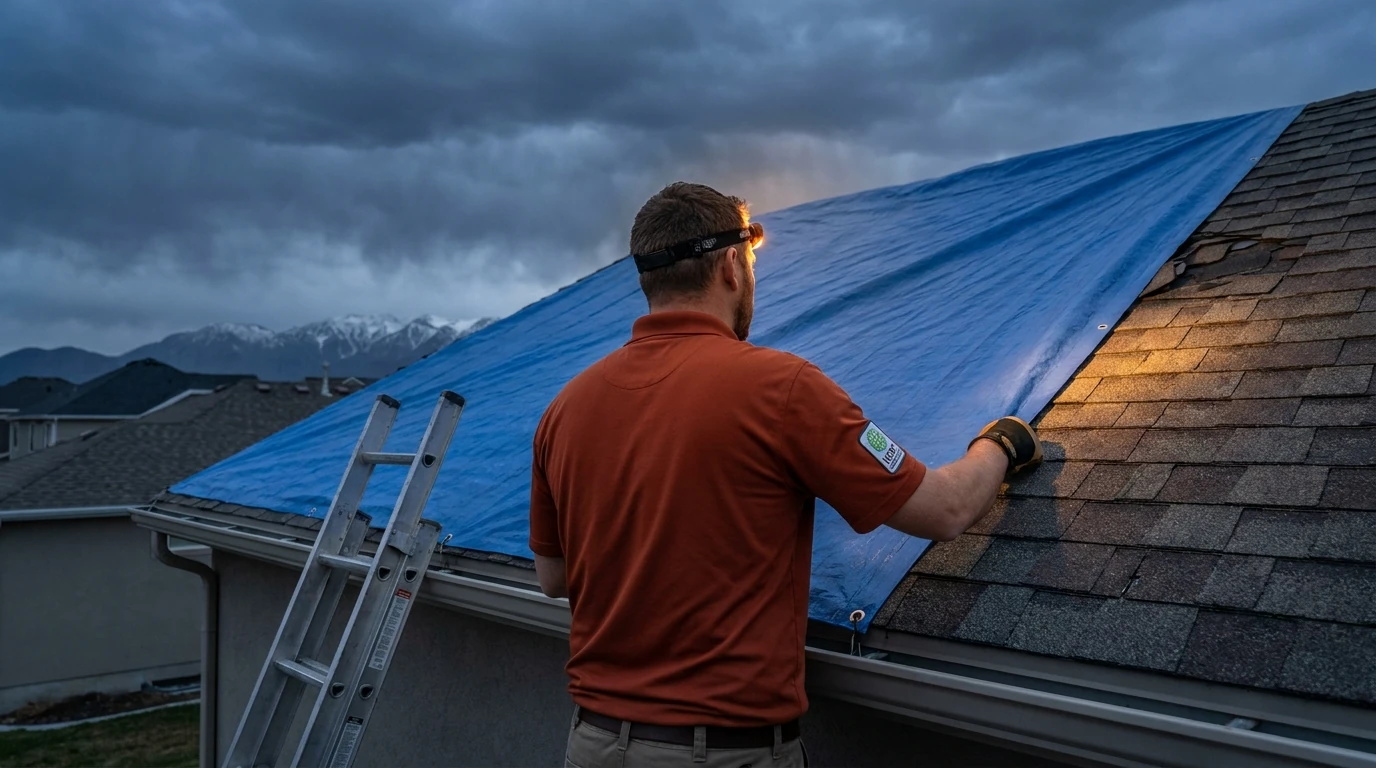
TL;DR: For a roof leak in Saratoga Springs, call a water damage restoration company first if water is actively coming through the ceiling or walls, since they can tarp the opening and start drying the interior the same visit. Call a roofer directly only if the roof itself is the sole problem and no water has reached the inside of the home yet. Home Pride Restoration and Cleaning LLC answers at (801) 995-2437 and can coordinate both the emergency tarp and the interior drying under one scope.
If you just noticed a brown ring spreading across your ceiling drywall, or water dripping near a light fixture during a fall storm, you’re in the window where the next hour matters more than the next day. For a roof leak in Saratoga Springs, call Home Pride Restoration and Cleaning at (801) 995-2437. The company is IICRC Certified, licensed in Utah (RC-25-0737), and answers 24/7, so a call placed at 2 a.m. during a windstorm gets the same response as one placed at noon.
Roofer or restoration company: who do you actually call first?
Call the restoration company first if water is already inside the house. A roofer can patch the hole on the outside, but they typically don’t extract water, dry out wet insulation, or document the damage for your insurance adjuster. A water damage restoration crew handles both: they can install an emergency tarp to stop the active leak the same visit, then start pulling water and setting drying equipment before it reaches the drywall, insulation, and framing underneath.
If the leak is purely cosmetic, a missing shingle after a windstorm with no interior staining or dripping, a roofer alone may be enough. But most “I just found a wet spot on my ceiling” calls mean the water has already traveled past the roof deck. At that point you have two problems stacked on top of each other, and the interior one grows every hour it sits.
Utah’s Wasatch Front sees its sharpest wind and rain swings from late September through November, which is exactly the stretch pushing water under flashing, around vent boots, and through aging shingle seams on Saratoga Springs roofs right now. That seasonal timing is why restoration companies and roofers both stay busy this time of year, and why the “who do I call” decision matters more in October than in July.
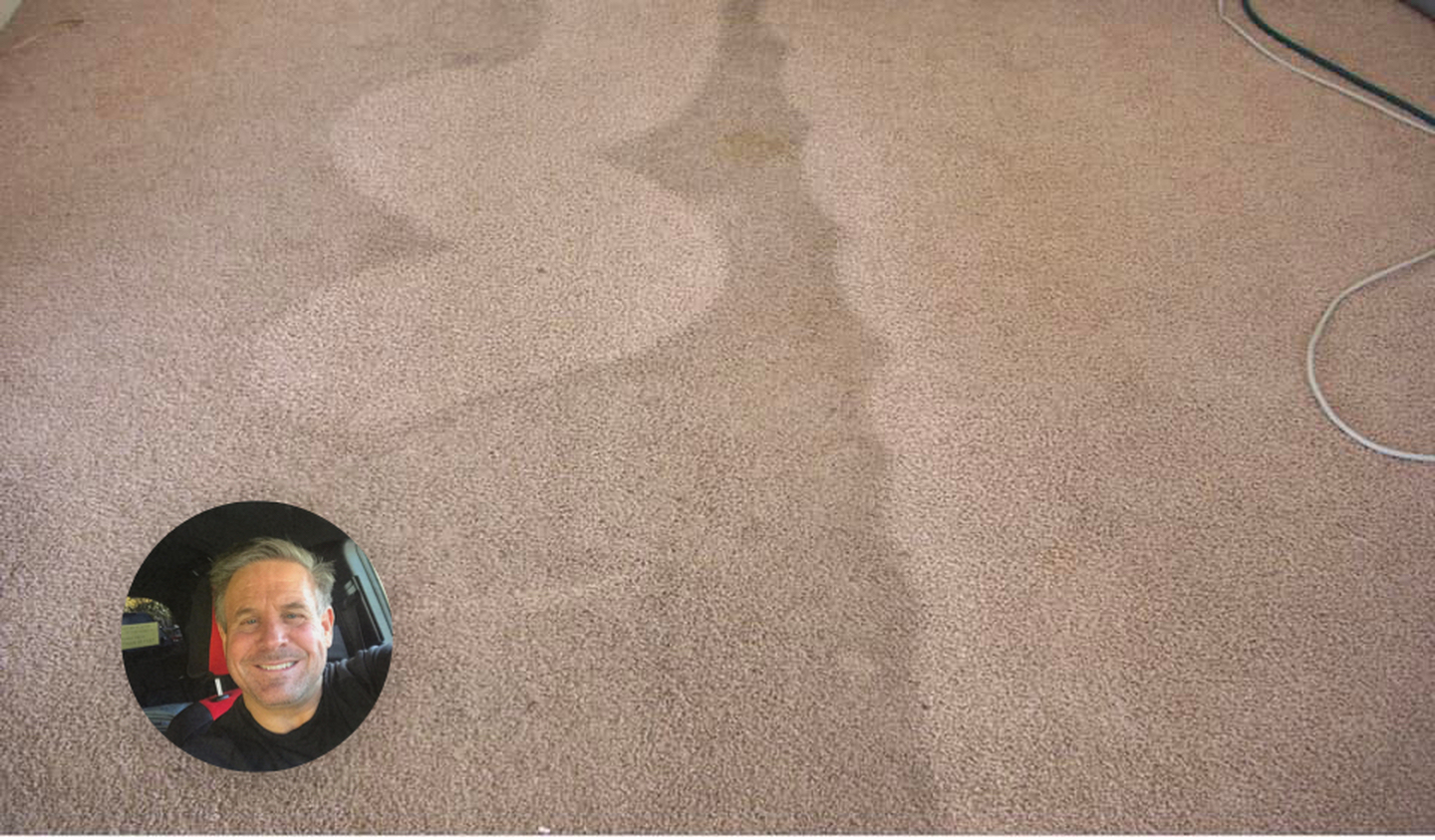
Recent job photo from Home Pride Restoration and Cleaning.
What should you do in the first hour, before anyone arrives?
In the first hour, your job is to protect the interior, not repair the roof. Move furniture and electronics out from under the leak, set a bucket or tarp to catch dripping water, and if water is pooling on the ceiling itself, carefully poke a small drain hole in the lowest point so it releases through a bucket instead of collapsing the drywall unexpectedly.
A few more things worth doing while you wait for a callback:
- Shut off power to any outlet or fixture near the wet area at the breaker, not at the switch
- Photograph the stain, the drip, and any visible roof damage from the ground before you touch anything
- Move rugs, boxes, or stored items away from the wet zone
- Do not climb onto a wet or storm-damaged roof yourself
These steps limit secondary damage. They don’t fix anything, and they’re not a substitute for a professional tarp or interior drying, but they buy time.
What happens when you actually make the call?
The first call is a quick triage conversation, not a sales pitch. Expect to be asked where the water is coming in, how long it’s been leaking, whether it’s actively dripping right now, and whether any ceilings or walls look like they’re sagging or bulging. That last detail matters: a bulging ceiling can mean trapped water and a structural risk, and it changes how urgently the crew needs to get on-site.
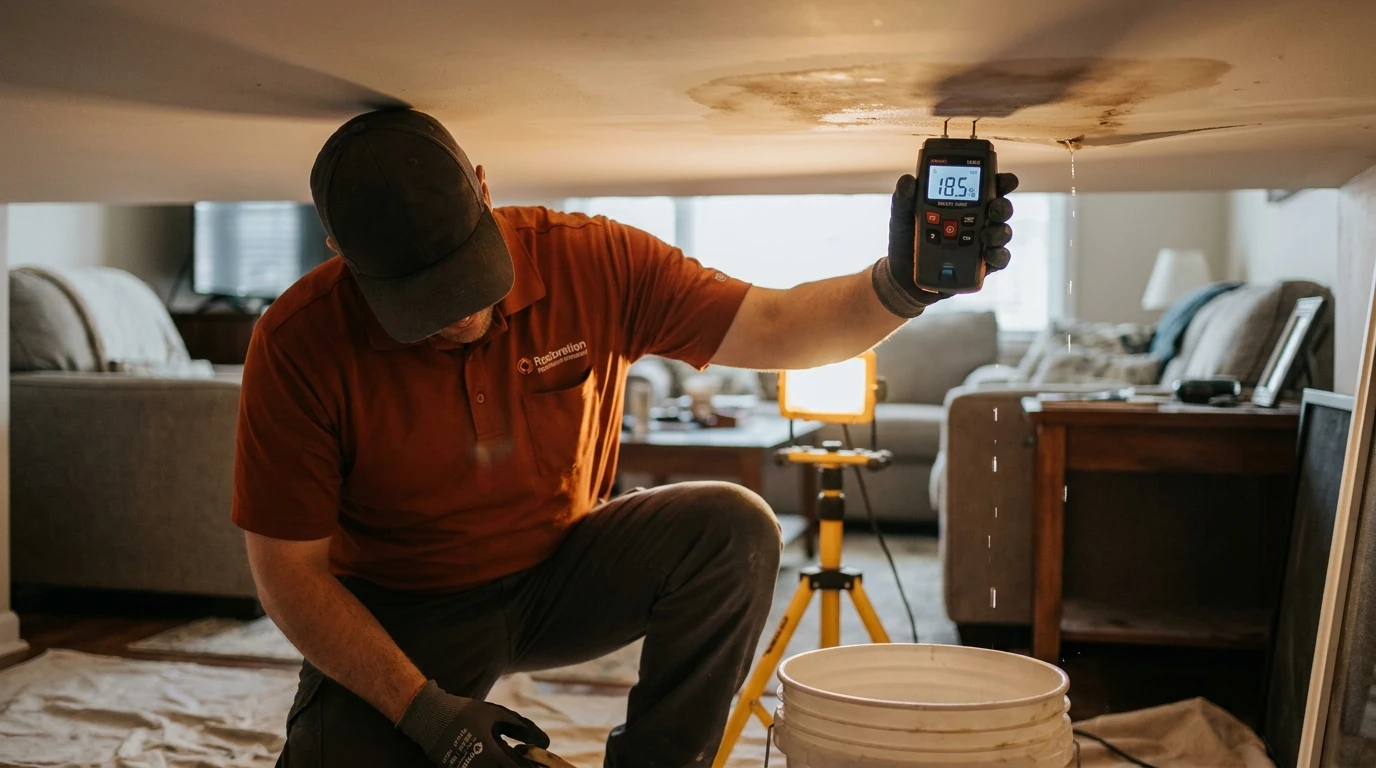
Once a technician arrives, the typical sequence is: stop the active water intrusion (tarp or temporary patch), extract standing water, pull out saturated materials that won’t dry in place (insulation, soaked drywall), and set air movers and a dehumidifier to dry what’s left. Moisture readings get documented at each visit so you, and your insurance adjuster, can see the drying progress in writing rather than guessing when it’s done.
Will your homeowners insurance pay for this?
Most Utah homeowners policies cover sudden roof leaks caused by wind or storm damage but exclude leaks from gradual wear, like a roof that’s needed replacement for years. The distinction your adjuster will look for is “sudden and accidental” versus “long-term neglect,” which is why photos and a written moisture log from the day the leak started matter so much.
If the leak traces back to storm damage (missing shingles, a cracked vent boot after high wind), that’s the stronger claim. If it traces back to an old roof that was already failing, coverage gets harder. Either way, document everything before repairs begin and keep the restoration company’s drying logs with your claim file; adjusters rely on that paper trail more than a verbal description after the fact. For a deeper walkthrough of what Utah policies typically cover after a storm, see this storm damage insurance claim checklist.
If the water intrusion is significant enough that you need an emergency tarp or board-up to stop it from getting worse overnight, emergency board-up and tarping is usually the first service dispatched, with interior drying starting on the same visit through water damage restoration.
A roof leak that’s caught early and dried correctly rarely turns into a bigger problem. One that sits for a few days, even a small drip, can mean replacing drywall, insulation, and sometimes framing instead of just drying it out. Call Home Pride Restoration and Cleaning at (801) 995-2437 to get someone looking at it today rather than waiting to see if it gets worse.
About Home Pride Restoration and Cleaning
Home Pride Restoration and Cleaning LLC has served Saratoga Springs and the surrounding Utah County area since 1997. The company is IICRC Certified and licensed under RC-25-0737, holds a 5.0 Google rating across 36 reviews, and answers calls 24/7. This post was written with the Home Pride Restoration and Cleaning team, who handle roof leak repair, emergency board-up and tarping, and water damage restoration across the Wasatch Front.