
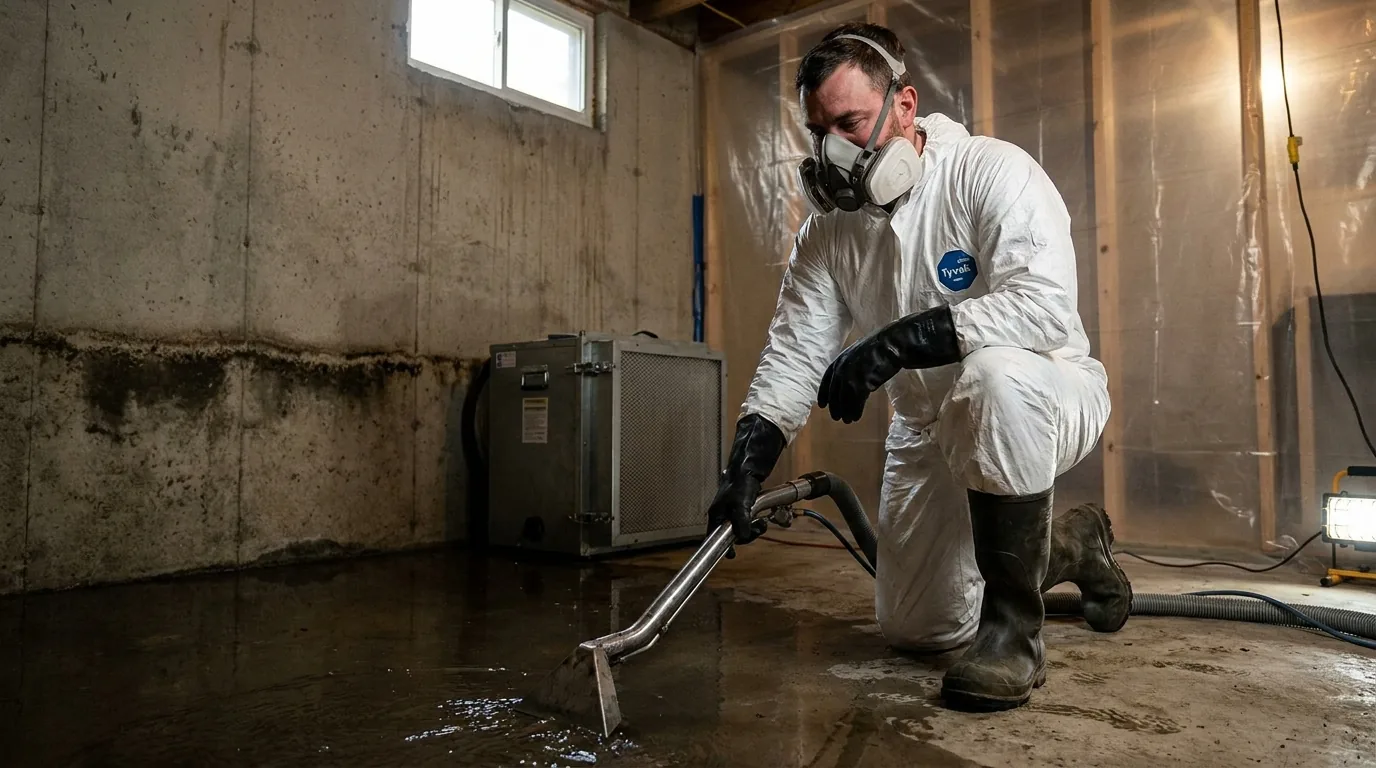
24/7 Emergency Sewage Cleanup and Sanitization in Highland
24/7 emergency sewage cleanup and sanitization in Highland, UT. IICRC-certified, insurance billing accepted. Call (801) 995-2437.
Our IICRC-certified technicians are dispatched from our Saratoga Springs, UT headquarters and are typically on-site in Highland within 60 minutes of your call.
Sewage backup in your Highland home? Call Home Pride Restoration and Cleaning now for emergency service before contaminated water spreads further into flooring, drywall, or your crawlspace. Highland’s mix of newer municipal sewer lines and older septic systems on the city’s outlying lots means backups here can come from either direction, a clogged lateral line or a septic tank reaching capacity after heavy snowmelt. Either way, raw sewage is a biohazard the moment it touches a floor, and the clock on contamination starts immediately.
Why Highland Properties See Sewage Backups
Highland grew quickly from a rural farming community into a suburban city of larger single-family lots, and that growth pattern left a patchwork of infrastructure ages. Some properties, particularly those on bigger parcels near the city’s edges, still rely on septic systems rather than being tied into municipal sewer. Clay-heavy soils common throughout northern Utah County shift with seasonal freeze-thaw cycles, which can crack or misalign older sewer laterals over years. Combine that with spring runoff from the Wasatch foothills saturating the ground, and tree roots from mature landscaping seeking out pipe joints, and you get the two most common calls we take in this area: a sewer line backing up into a basement, and a septic tank or leach field reaching its limit faster than expected.
Our Sewage Cleanup and Sanitization Process in Highland
We start by identifying the source, because a backup from a municipal line is handled differently than septic overflow, and insurance carriers often want that distinction documented. Our crew extracts standing contaminated water, removes porous materials that can’t be sanitized (carpet pad, drywall below the waterline, insulation), and treats affected surfaces with EPA-registered antimicrobials. Drying follows the IICRC S500 standard for category three water, which means more aggressive air movement and dehumidification than a typical water loss, since sewage-contaminated materials carry pathogens that regular drying protocols aren’t built to address. For Highland homes with finished basements, a common build type here given the larger lot sizes, we pay close attention to wall cavities below grade, where contaminated water can wick up studs faster than it’s visible on the surface.
Highland Insurance & HOA Coordination
Many Highland neighborhoods built in the last two decades fall under homeowners associations with their own notification requirements for biohazard incidents, especially in attached or shared-wall configurations. We document the loss with photos and moisture readings before any demolition begins, which gives both your insurance adjuster and, if applicable, your HOA board a clear record of what happened and why specific materials were removed. Sewage losses are typically covered differently than clean water losses under most policies, so getting the classification right from the first visit matters for your claim.
Equipment & Methods We Use
Sewage cleanup isn’t a wet-vac job. We use truck-mounted extraction for the initial removal, HEPA air scrubbers to manage airborne contaminants during demolition, and antimicrobial foggers for surfaces that will remain in place. Moisture mapping with penetrating meters tells us how far the contamination traveled behind walls and under flooring, which in a Highland basement often means checking the area where a finished slab meets a foundation wall, a common entry point for backup water under pressure.
Local note
Highland sits close enough to the Mount Timpanogos foothills that irrigation runoff and snowmelt both drain downhill through the city before reaching American Fork and the valley floor, which raises the water table on lower-lying lots during spring. Properties on septic systems in those areas sometimes see backups not from a failing tank, but from a leach field that’s temporarily saturated and can’t accept more water, something a septic company and a restoration crew both need to confirm before cleanup starts.
If sewage has backed up into your Highland home, don’t wait for the smell or the staining to tell you how far it’s spread. Home Pride Restoration and Cleaning has worked across Utah County since 1997 and carries IICRC certification along with license #RC-25-0737, so the cleanup and the paperwork both hold up. Call (801) 995-2437 for emergency sewage cleanup and sanitization service in Highland.
Serving Highland from our Saratoga Springs headquarters — ★ 5.0 · 36 Google reviews
“Curt was soooo amazing! Fast and efficient! Very sweet and kind! Would use again if we weren’t moving out of state!!!!!” — Kristina, August 2026Read our reviews on Google →
Sewage Cleanup and Sanitization in Highland: Service Coverage
Frequently Asked Questions
How fast can you arrive for sewage cleanup and sanitization in Highland?
Does Highland's mix of septic and municipal sewer affect how you handle a backup?
Are Highland's larger-lot properties with septic systems more prone to backups during spring runoff?
How does sewage cleanup differ from a regular water damage job in a finished Highland basement?
Will my HOA need to be notified about a sewage backup in Highland?
Does homeowners insurance typically cover sewage backup cleanup for Highland properties?
Sewage Cleanup and Sanitization response in Highland
Most Highland calls see a technician on-site within 60 minutes from our Saratoga Springs headquarters.
Nearby & Related
- 24/7 Emergency Sewage Cleanup and Sanitization in Saratoga Springs
- Restoration Services in Highland
- 24/7 Emergency Fire Damage Restoration in Highland
- Mold Remediation in Highland
- Restoration Services in Alpine
- 24/7 Emergency Sewage Cleanup and Sanitization in American Fork
- Contact Home Pride Restoration and Cleaning